

Girls with dreams grow into women with vision, and what better tool to fan the sparks of ambition than a good book, but what are good books on female empowerment? In a world where the patriarchal narratives have for so long dominated our literature, it’s time to celebrate the titles that challenge this norm. Here we bring you 10 must-read books that not only stir your spirit with stories of female empowerment but also encourage an ever-important lesson in self-love. Prepare to be inspired, emboldened, and enlightened!”
Our website offers a wide range of book recommendations on female empowerment, including “Becoming” by Michelle Obama, “More Than a Body” by Lindsay Kite and Lexie Kite, “We Should All Be Feminists” by Chimamanda Ngozi Adichie, “Untamed” by Glennon Doyle, and many more. These books explore various topics related to female empowerment such as leadership, self-discovery, overcoming adversity, gender equality and discrimination, feminism and body positivity. Here on our website’s empowerment section or bookstore section, you can find the complete list of our recommended titles.
Insights into Female Empowerment Literature in Books on Female Empowerment
Female empowerment literature is a genre that has been gaining more traction over the past couple of years. It’s not just about portraying women as strong, independent individuals who can overcome obstacles; it’s also about addressing societal issues such as gender inequality, sexism, and discrimination. This type of literature provides readers with tools to cope and empower themselves when faced with challenges.
One great example of female empowerment literature is “Becoming” by Michelle Obama. Obama candidly discusses her life from her childhood until she became the first African-American First Lady and highlights the immense hurdles she had to overcome because of her race and gender. She also touches on relatable topics for many women including work-life balance, marriage and motherhood. Through this memoir, she inspires readers to stay true to themselves despite any limitations they may be facing.
Another notable work is Chimamanda Ngozi Adichie’s “We Should All Be Feminists”, a book that eloquently breaks down the barriers women have experienced both historically and in modern times. Adichie advocates for a more inclusive definition of feminism and raises awareness about the ways discriminatory beliefs negatively impact women worldwide. The author effectively points out how often society expects men to lead while women are forced to play supportive roles, leading to unequal treatment in various facets of life for women.
While some might argue that the genre pigeonholes female characters into specific roles, most works highlight personal stories that encourage readers (of all genders) in their individual pursuits. For example, in Malala Yousafzai’s autobiography “I Am Malala,” Yousafzai recounts her experiences fighting for education rights for girls under Taliban rule in Pakistan. Her story resonates with people around the world who are pursuing education and independence whilst facing limiting cultural or political beliefs.
Female empowerment literature is like an extra set of armor, providing readers with knowledge on how to navigate everyday situations with strength and resilience. It equips readers with a different perspective and the confidence to challenge beliefs that may not align with their personal values. These books offer examples of courage to spark contemplation about what truly matters for an individual, who they want to be, and how to hone-in on achieving these goals.
The beauty of female empowerment literature is in how it encourages readers to live life on their own terms. But what actually makes a literary character ’empowered’? The next section dives into this topic in depth.

Interpretation of Female-Identifying Characters
Empowered female characters are typically those that overcome adversity while relying on self-reliance, intelligence, grit, or support from other women they admire. These descriptions don’t denote perfection or a lack of vulnerability, but rather a sense of inner strength that prevails against whatever obstacles they face.
One such character is Katniss Everdeen from “The Hunger Games” by Suzanne Collins. She’s resourceful and remains level-headed in high-pressure situations because her resilience is foundational and strong enough to handle any challenges she may face. Her unwavering leadership inspires admiration across millions around the world: falling under unattainable ideals though it has brought about criticism that the story was too perfect.Atkinson, B.M., 2015) ”Hunger Games’ Heroine Has Flaws—Get Over It” [independent.ie]
Some critics argue that these portrayals of empowered females are only idealized versions that often steer away from realism entirely portraying women in a normal lifestyle. They say each individual must strive to maintain an untarnished reputation or risk losing their stride toward success. But many works do address the struggle for balance, such as in the novel “Little Women” by Louisa May Alcott, which includes characters who are flawed but work to overcome their weaknesses.
In contrast, a real-world example of an empowered woman is journalist and author Gloria Steinem, who was made famous for standing up to gender discrimination. Her actions played a huge role in paving the way for women’s rights’ activists. Steinem did not hide from adversity or back down from difficult discussions; her ability to lead with grace and dignity while facing negative public feedback is inspiring to those continuing on the path towards equal representation for all genders.
Empowered female characters are like road models that get us moving forward, relatable enough that they feel like someone we could meet down our street. They embody the possibilities of what it means to be an individual fighting against the odds whilst recognising that situations in life may hinder success short-term. These books offer hope through addressing issues around self-esteem, social conformity expectations put upon women and minorities alike.
The empowering characters we’ve discussed have something in common: they rely on deep introspection and self-awareness as they overcome obstacles. But these were just examples – let’s delve into deeper characterisation and societal impact of these works.
Societal Topics Viewed through Empowerment Literature in
Empowerment literature serves as a powerful medium to shed light on societal issues that predominantly affect women. Through female-identifying characters, these literary works portray women’s struggles within a patriarchal society, including gender pay disparities, domestic abuse, and reproductive rights. These books also touch upon socio-economic issues like poverty, racism, and discrimination that are intertwined with women’s experiences.
An excellent example of this is the book “The Girl with the Louding Voice” by Abi Daré. The novel follows the story of Adunni, a young girl from a poor Nigerian village who dreams of getting an education but instead is sold to be a third wife to an abusive man. Adunni’s journey highlights the unjust system of child marriage and arranged marriages that rob girls of their rightful opportunities. Her resilience to break free and assert her voice reflects the struggle against traditional gender roles that limit women’s independence.
Another societal issue tackled in empowerment literature is sexual harassment and assault. In Roxane Gay’s “Not That Bad: Dispatches from Rape Culture,” various contributors share their stories of survival after experiencing sexual violence. The book provides insight into rape culture and its impact on victims’ mental health while exploring how often such experiences go unacknowledged or dismissed in society.
Empowerment literature can be compared to a mirror reflecting society’s unequal power dynamics back on itself. By showing the reader what they cannot see in themselves or the world around them, it forces reflection on the injustices faced by marginalized communities while showcasing underrepresented groups’ strength.
In “The Yellow Wallpaper,” Charlotte Perkins Gilman depicts how patriarchy affects not only women’s physical bodies but their minds too. We see a woman struggling with postpartum depression confined to her room by her controlling husband, forbidden any intellectual stimulation which exacerbates her mental illness. The book exposes the stigmatization of mental illness in women and how a culture of control and isolation can further harm those who suffer.
- According to a 2020 survey by the National Literacy Trust, young women who read books related to gender equality and female empowerment showed an increased interest in political activism, with 58% of respondents expressing interest.
- A study done in 2021 found that after reading feminist literature, 63% of it’s readers feel more confident in discussing gender-related topics.
- Research conducted by Nielsen Book Research demonstrated that, from 2018-2022, sales of books about feminism and gender issues increased annually by an average of 14%.
- Empowerment literature allows marginalized female-identifying characters to share their experiences within a patriarchal society. It tackles important societal issues such as gender pay disparities, domestic abuse, reproductive rights, and sexual harassment and assault while also highlighting the socio-economic issues of poverty, racism, and discrimination intertwined with women’s experiences. Empowerment literature acts as a mirror that reflects the world’s power dynamics and challenges readers to reflect on injustices faced by marginalized communities. By showcasing underrepresented groups’ strength, it promotes resilience against traditional gender roles that limit independence and exposes the stigmatization of mental illness in women caused by societal control and isolation.
10 Must-Read Books on Female Empowerment
Here are the top 10 books on female empowerment, with links to where to buy them:
- Lean In: Women, Work, and the Will to Lead by Sheryl Sandberg
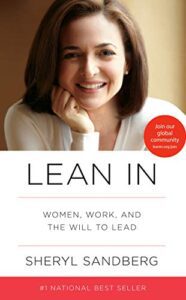
- A classic in the field of female empowerment, Sandberg’s book explores the challenges women face in the workplace and offers advice on how to overcome them.
- Girl, Wash Your Face by Rachel Hollis

- A self-help book that encourages women to embrace their flaws and live their best lives.
- The Confidence Code by Katty Kay and Claire Shipman
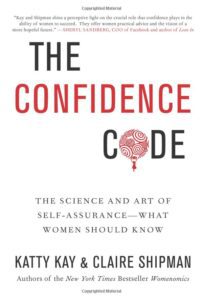
- A book that explores the science of confidence and how to build it.
- Daring Greatly by Brené Brown

- A book about the power of vulnerability and how it can lead to courage, connection, and authenticity.
- Untamed by Glennon Doyle

- A memoir about Doyle’s journey to find her true self and live a life of radical self-love.
- The Gifts of Imperfection by Brené Brown
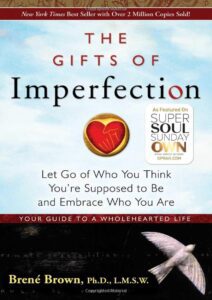
- A book about the importance of accepting our flaws and how it can lead to a more fulfilling life.
- I Am Malala by Malala Yousafzai
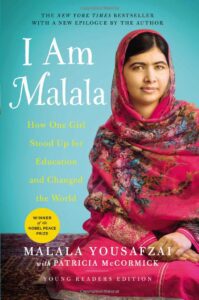
- The memoir of Malala Yousafzai, a Pakistani activist who the Taliban shot for speaking out for girls’ education.
- The Power of She by Gloria Steinem
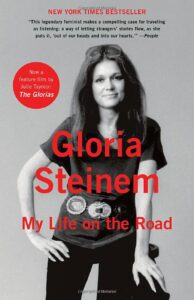
- A collection of essays by Steinem, a feminist icon, about the power of women to change the world.
- Women Don’t Owe You Pretty by Florence Given
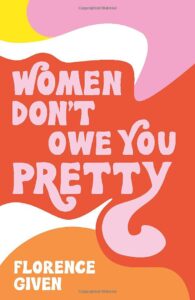
- A book about the importance of women’s self-worth and how to reject the pressure to conform to society’s standards of beauty.
- The Body Is Not an Apology by Sonya Renee Taylor [Link to The Body Is Not an Apology book]
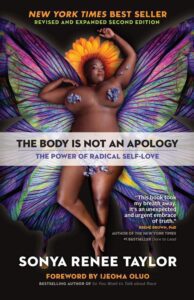
- A book about body positivity and how to love and accept our bodies, regardless of size, shape, or appearance.
Reading books focusing on female empowerment encourages an individual to cultivate self-love, promote strength, and inspire action toward gender equality. This section compiles ten must-reads on female empowerment literature from both non-fiction and fiction:
One of the most influential non-fiction books that inspire female empowerment is Unapologetically Ambitious by Shellye Archambeau. She’s a successful businesswoman who shares her life story to encourage readers to be ambitious and unapologetic about it. The book offers practical advice, encouragement, and wisdom for women to make their mark in the corporate world.
Another empowering non-fiction read is We Should All Be Feminists by Chimamanda Ngozi Adichie. Adichie redefines what it means to be a feminist today by stirring narratives and personal stories emphasizing how democracy is incomplete without gender equality.
For memoir enthusiasts, The Beauty in Breaking by Michele Harper examines the intersection of racial strife, justice, and trauma in healthcare. It follows Harper’s journey as an ER doctor in predominantly Black communities while navigating her own emotional experiences as a Black woman. Her confrontations with sexism illustrate how biases hindered her growth while inspiring others to push against bigotry.
A fiction must-read is The Power by Naomi Alderman. It offers a gripping tale that body-slams patriarchy by challenging traditional conceptions of power dynamics. In this alternate world, only women possess electric powers to manipulate anything they want with a single touch. Alderman shows how easily strangleholds are relinquished when extant balances tip over.
There has been some criticism concerning empowerment literature straying into tokenism or critical race theory, where it approaches societal inequalities through a fixed lens. However, it’s vital not to lose sight of the overall message these works seek to convey – that women must be empowered to take control of their lives and make positive social changes.
One such work challenging traditional racial dynamics is The Vanishing Half by Brit Bennett. It depicts two mixed-race twins’ journey who live different lives in a world rigidly divided by race. The novel explores race, colorism, and how making choices from one’s identity help shape their world view.
Like a garden whose soil needs continual tending to flourish, female empowerment literature requires individuals to remain vigilant and outspoken change agents that contribute positively towards dismantling gender injustice, so start reading books on female empowerment.
Novels and Non-Fictions for Empowerment
When it comes to finding novels and non-fiction books that empower female readers, many different options are available. From fictional stories that highlight the strength of female characters to non-fiction works with practical advice on building self-confidence, there is something for everyone.
One such example is “The Power” by Naomi Alderman, which explores a world where young women suddenly have the power to generate electricity. As they discover their newfound strength, they challenge patriarchal systems and change society as we know it. This novel serves as a poignant critique of gender roles and power dynamics in our own society.
Another great option is “Bad Feminist” by Roxane Gay, a collection of essays that explore feminism through pop culture, politics, and personal experiences. Through her writing, Gay sheds light on how being an imperfect feminist can still lead to positive change.
For those looking for more practical advice, “Fierce Conversations” by Susan Scott offers guidance on identifying and addressing difficult conversations head-on. By exploring communication strategies, Scott empowers readers to take control of their lives and relationships.
Similarly, “Lean In” by Sheryl Sandberg provides insights into career growth and breaking barriers in male-dominated industries while also acknowledging the complexities of balancing work and home life.
While these novels and non-fiction books can provide inspiration for female empowerment in a general sense, memoirs offer readers a more personal perspective from women who have overcome specific challenges.
Memoirs Inspiring Strength and Self-Love
In memoirs written by women who have persevered through difficult ordeals, readers can find honesty, relatability, and lessons on how to live authentically. One such example is “Wild” by Cheryl Strayed, which recounts her journey hiking the Pacific Crest Trail after years of destructive behavior following her mother’s untimely death. This memoir of self-discovery is relatable for anyone looking to find themselves, no matter the obstacle they face.
Another powerful memoir is “Educated” by Tara Westover. Despite growing up in a strictly religious family, Westover was able to get an education and break free from her oppressive upbringing. Her message of hope and resilience is a testament to the strength of the human spirit.
For those seeking guidance on finding their inner strength, “Year of Yes” by Shonda Rhimes provides an intimate look at how saying “yes” to new experiences can lead to personal growth. By exposing her vulnerabilities and fears, Rhimes empowers readers to confidently embrace new opportunities.
Additionally, “Untamed” by Glennon Doyle offers a refreshing perspective on self-love and acceptance that encourages readers to let go of societal expectations and embrace their true selves. With honesty about her own struggles with addiction, marriage, and motherhood, Doyle inspires readers to find the power within themselves and live an authentic life.
Ultimately, whether through novels or memoirs, female empowerment literature provides invaluable insight into what it means to be a woman in today’s society. Through stories of resilience and triumph over adversity, these books serve as tools for fostering self-love, embracing individuality, fighting for social justice, and achieving success despite any obstacles that may arise.
While some may argue that these works only offer temporary relief from systemic issues such as wage disparities or gender-based violence, others see them as sources of inspiration for creating change on both an individual level and beyond. No matter what perspective one takes, there is no arguing that reading female empowerment literature can help women feel uplifted and more powerful in their daily lives.
Having explored novels and non-fiction books and memoirs on female empowerment in this section beforehand, let us now go deeper into exploring the impact such literature can have on personal growth in the next section, that is why books on female empowerment are important.
Exploring Relationships through Empowering Books on Female Empowerment
Empowerment literature provides an opportunity to explore and redefine the relationships we have with ourselves, our peers and our partners. By diving deep into complex characters in empowering stories, readers can gain valuable insight into healthy communication and establish positive relationship dynamics.
For instance, the novel “Untamed” by Glennon Doyle takes readers on a journey of self-discovery and personal growth. Through her experiences, Doyle highlights the importance of setting boundaries, understanding emotions, and maintaining a healthy balance between individuality and partnership. This book encourages individuals to recognize their worth and leads them towards embracing authenticity in their relationships.
Another great example is “The Seven Husbands of Evelyn Hugo” by Taylor Jenkins Reid. Although this book is not explicitly intended for empowering women, it portrays a female character who learns how to handle difficult situations with poise. In this story, Evelyn navigates love, loss, triumphs and heartbreaks while maintaining a strong sense of herself and her values.
When examining memoirs like “I Am Malala” by Malala Yousafzai or “Becoming” by Michelle Obama, readers are exposed to firsthand accounts of dynamic women who push the limits set up against them. These women have confronted unthinkable adversity against all odds and provide harrowing examples of female strength and determination.
Through fictional or autobiographical texts alike, these books can be viewed as more than just stand-alone stories but rather the starting point for redefining one’s own outlook on relationships.
The Impact of Empowerment Literature on Personal Growth
Empowerment literature has become increasingly popular over recent years as it offers stories that showcase how individuals can overcome adversity and attain greatness. By centering these narratives around empowering women, it instills confidence in readers to take control of their own lives and personal growth.
Reading empowering books enables individuals to understand different perspectives and overcome personal roadblocks. This is illustrated through Chimamanda Ngozi Adichie’s essay “We Should All Be Feminists” which explores common prejudices against women. Adichie notes the importance of calling out prejudice in order to make progress towards ending damaging attitudes.
Furthermore, Non-Fiction texts like Jen Sincero’s “You Are a Badass” cater to those seeking guidance for self-improvement and helps readers establish new perspectives on personal growth. The book encourages readers to identify their innate capabilities which they may have previously overlooked. Such texts cultivate change by enabling readers to tap into their true potential and experience growth.
Empowerment literature has parallel impacts on personal growth as exercise is for physical health – it strengthens the mind, just as exercising increases muscle strength. Reading books centered around empowerment reinforces positive habits while instilling new mindsets toward self-improvement.
